

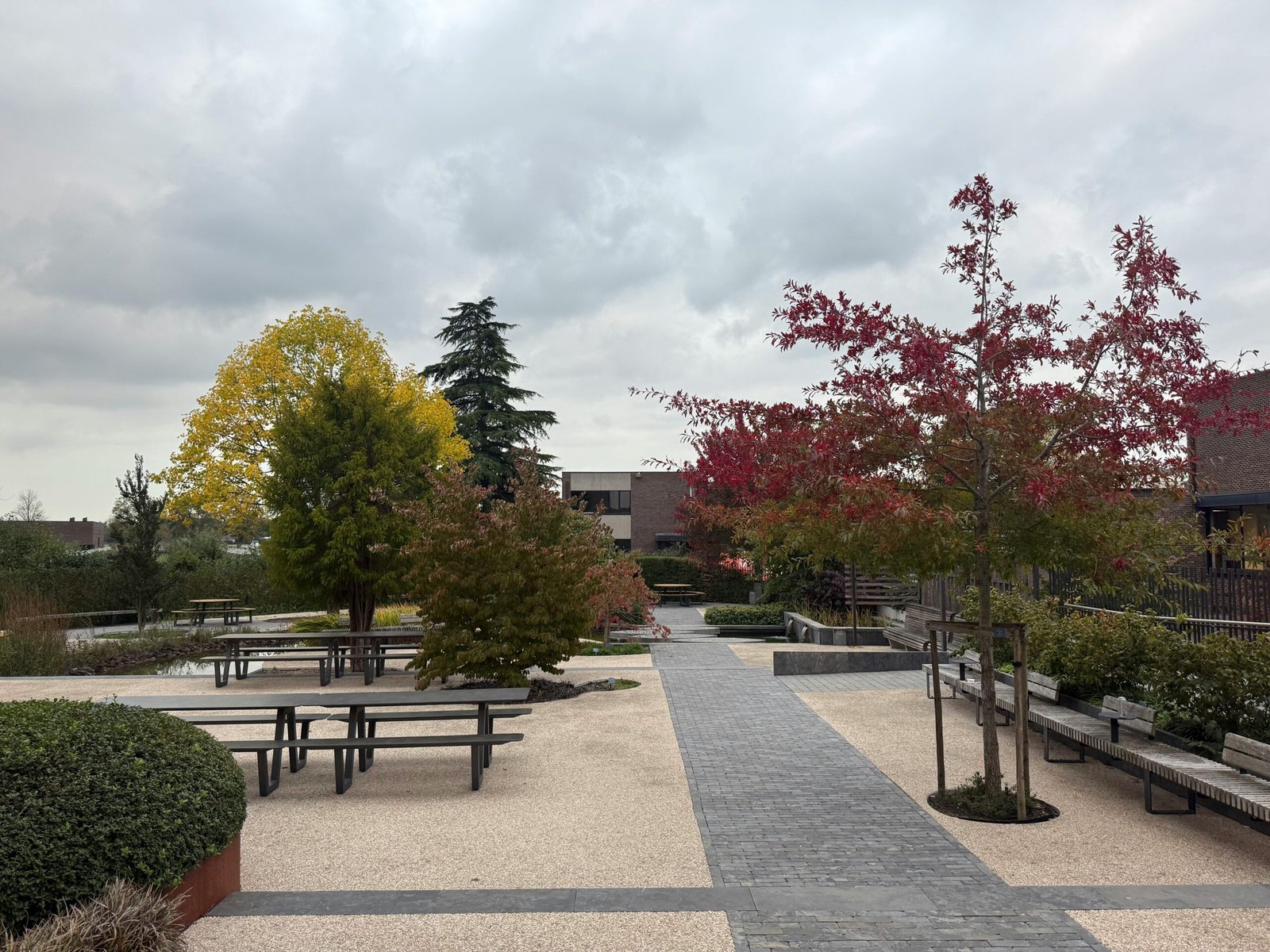
Tufnell Park is one of those London neighborhoods that feels like a secret — a place that sits quietly between Camden Town and Archway, away from the chaos, yet full of character. It has leafy streets, beautiful Victorian houses, charming cafes, and a relaxed, community-centered feel that makes it special.
I remember the first time I wandered through Tufnell Park. It was a sunny afternoon, and the sound of children playing mixed with the smell of coffee from a small café on Fortess Road. It didn’t feel like the typical London bustle — it felt like home.
Over the years, Tufnell Park has become one of North London’s most desirable areas for families, young professionals, and creatives who love its village-like vibe but still want to be close to the city.
In this guide, we’ll explore what makes Tufnell Park unique — from its history and architecture to its vibrant local life and hidden treasures.
The History and Heritage of Tufnell Park
Tufnell Park has deep historical roots. The area was once part of the Tufnell family estate, who were landowners and developers during the 19th century. The neighborhood began to take shape in the mid-1800s, when elegant Victorian and Edwardian houses were built for the growing middle class of London.
Unlike some parts of the city that were heavily commercialized, Tufnell Park retained its residential charm. You can still walk down Carleton Road or St George’s Avenue and admire rows of classic houses with tall windows, ornate brickwork, and lush front gardens.
During World War II, Tufnell Park — like much of North London — faced bomb damage, but it recovered with quiet resilience. Many of its historic buildings were preserved, giving today’s visitors and residents a glimpse of its past.
Its name still carries the echo of its heritage, a reminder of the old English estate era that gave birth to this peaceful enclave.
What Makes Tufnell Park Special
Tufnell Park’s magic lies in its balance. It’s close enough to Camden and Kentish Town to enjoy city energy but calm enough to feel like a retreat.
It’s the kind of place where you’ll find artists living next to teachers, families chatting in the park, and local musicians performing in cozy pubs. There’s a quiet pride among residents here — a feeling that they’ve found something rare in London: community.
The area’s architecture, green spaces, and independent spirit make it stand out. You won’t find high-rise buildings or overwhelming traffic. Instead, you’ll find a rhythm of life that feels both local and welcoming.
Exploring the Area – Streets, Architecture, and Ambiance
One of the first things you’ll notice about Tufnell Park is its distinctive architecture. Many homes are tall, narrow Victorian terraces with bay windows and intricate brick patterns. Others are charming cottages that look like something out of a storybook.
The tree-lined streets create a peaceful atmosphere, especially in spring when cherry blossoms cover the pavements. It’s a neighborhood that invites you to slow down, grab a coffee, and enjoy a walk.
Fortess Road is the area’s main high street, filled with local gems — from delis and bakeries to bookstores and pubs. There’s also a Saturday farmers’ market nearby where residents buy organic produce and chat with local growers.
If you love architecture, take a stroll toward Tufnell Park Road and Mercers Road. These streets showcase some of the area’s finest examples of period housing.
Transport and Connectivity
Despite its quiet charm, Tufnell Park is well connected. The Tufnell Park Underground Station on the Northern Line makes commuting simple. You can reach King’s Cross in just 10 minutes and Leicester Square in about 15.
There are also great bus routes linking Tufnell Park to Islington, Camden, Holloway, and Hampstead. Cycling is popular too, thanks to its wide, calm streets and easy access to bike lanes.
For those who like to travel on foot, nearby Kentish Town and Archway are within walking distance. You’re never far from anything here — yet it always feels just far enough from the crowds.
Local Life and Community Spirit
If there’s one thing Tufnell Park residents love most, it’s the community.
Locals often describe the area as having a “village within a city” vibe. Neighbors know each other, local shopkeepers greet you by name, and community events bring people together regularly.
The Tufnell Park Tavern, for instance, is more than just a pub — it’s a social hub. Families gather for Sunday roasts, and friends meet for quiz nights. There’s also the Tufnell Park Film Club, local art exhibitions, and charity fairs organized by residents.
Every summer, the community holds small street festivals that celebrate local culture and creativity. It’s these touches of warmth that make the area more than just a postcode — it’s a lifestyle.
Things to Do in and Around Tufnell Park
While Tufnell Park itself is calm, it’s surrounded by some of London’s best attractions.
-
Hampstead Heath – Just a 15-minute walk away, this massive park offers panoramic city views and wild swimming ponds.
-
Camden Market – A short tube ride to explore music, food, and fashion from all over the world.
-
Highgate Cemetery – A beautiful and historic site where many famous figures, including Karl Marx, are buried.
-
Waterlow Park – Perfect for picnics and peaceful walks.
-
Kentish Town Baths – A great local spot for swimming and fitness.
In Tufnell Park itself, you’ll find smaller parks and gardens that are ideal for families and dog walkers. Foxham Gardens and Tufnell Park Playing Fields are two local favorites.
Food and Drink Scene – Cafes, Pubs, and Restaurants
Tufnell Park’s food scene may be small, but it’s mighty. The area has an impressive mix of independent eateries and classic pubs.
Top Picks:
-
Aces and Eights – A lively bar and pizza joint with great live music.
-
The Tufnell Park Tavern – A must-visit for Sunday roasts and relaxed drinks.
-
Bear + Wolf – A family-friendly café known for its excellent brunch.
-
Ruby Violet – The best spot for handmade ice cream.
-
Korova – An understated restaurant offering creative modern dishes.
On weekends, locals often fill the cafes for lazy breakfasts before heading out to the Heath. It’s an area that appreciates good food without the pretentiousness.
Schools and Family Life
Families love Tufnell Park because of its excellent schools, safe environment, and sense of belonging.
Some of the most notable schools include:
-
Tufnell Park Primary School
-
Acland Burghley School
-
Yerbury Primary School
-
Beacon High School
There are also several nurseries and community centers offering activities for children and parents. The neighborhood’s parks and calm streets make it an ideal place for raising kids in London.
Property Market Overview
Tufnell Park’s property market reflects its charm and convenience.
Most homes are Victorian terraces or converted flats with spacious layouts and period details. Prices can be high compared to some neighboring areas, but they remain reasonable for central London standards.
Because of its proximity to Camden, Islington, and Hampstead, the area attracts professionals who want a quieter home base. Rentals are in steady demand too, particularly among young families and creative professionals.
Tufnell Park vs Nearby Areas
Tufnell Park sits between several dynamic neighborhoods:
-
Kentish Town – busier, trendier, with more nightlife.
-
Archway – slightly more affordable, with a growing arts scene.
-
Holloway – urban, lively, and diverse.
-
Hampstead – leafy and luxurious, but pricier.
Tufnell Park strikes the perfect middle ground — peaceful but connected, local but urban. Many who move here from nearby areas end up staying for years.
Is Tufnell Park a Good Place to Live?
Absolutely. Tufnell Park offers something that’s hard to find in London — balance. It’s safe, green, and friendly, yet never dull.
The area’s combination of characterful homes, good schools, and excellent transport links makes it ideal for both families and professionals.
You can start your morning with a coffee from Bear + Wolf, commute to the city in 20 minutes, and still come home to quiet streets lined with trees and cats sunbathing on garden walls.
Tips for Visitors and New Residents
-
Explore on foot – The best way to appreciate the charm of Tufnell Park is by walking through its residential streets.
-
Support local businesses – Many are family-run, and your custom keeps the community strong.
-
Visit nearby green spaces – Hampstead Heath and Waterlow Park are musts.
-
Take the Northern Line – It connects you to almost anywhere in central London within 30 minutes.
-
Join community events – They’re a great way to meet people and feel at home.
Personal Reflections and Local Impressions
Whenever I return to Tufnell Park, it feels like revisiting an old friend. There’s something grounding about its calm rhythm and friendly faces.
I once spent an entire afternoon at the Tufnell Park Tavern reading a book and sipping coffee while people came and went — some greeting each other like family. It reminded me that, in London, it’s rare to find a place where people truly connect.
That’s what makes Tufnell Park so special — it’s not just beautiful; it’s human.
Conclusion – The Timeless Charm of Tufnell Park
Tufnell Park might not be as famous as Camden or Hampstead, but it holds its own quiet appeal. It’s a neighborhood that blends history, community, and modern London life effortlessly.
For those seeking a place that feels personal, creative, and peaceful — Tufnell Park is a gem. Whether you’re visiting for a day or planning to stay for years, it’s a corner of London that welcomes you warmly and stays in your heart long after you’ve left.
FAQ
Q1: Is Tufnell Park safe?
Yes, Tufnell Park is generally considered very safe and family-friendly.
Q2: How do I get to Tufnell Park?
Take the Northern Line to Tufnell Park Station or buses from Camden and Islington.
Q3: What is Tufnell Park known for?
Its Victorian architecture, community spirit, and proximity to Hampstead Heath.
Q4: Are there good schools in Tufnell Park?
Yes, including Tufnell Park Primary and Acland Burghley School.
Q5: Is Tufnell Park expensive to live in?
It’s mid-range for London — pricier than Archway but more affordable than Hampstead.


