

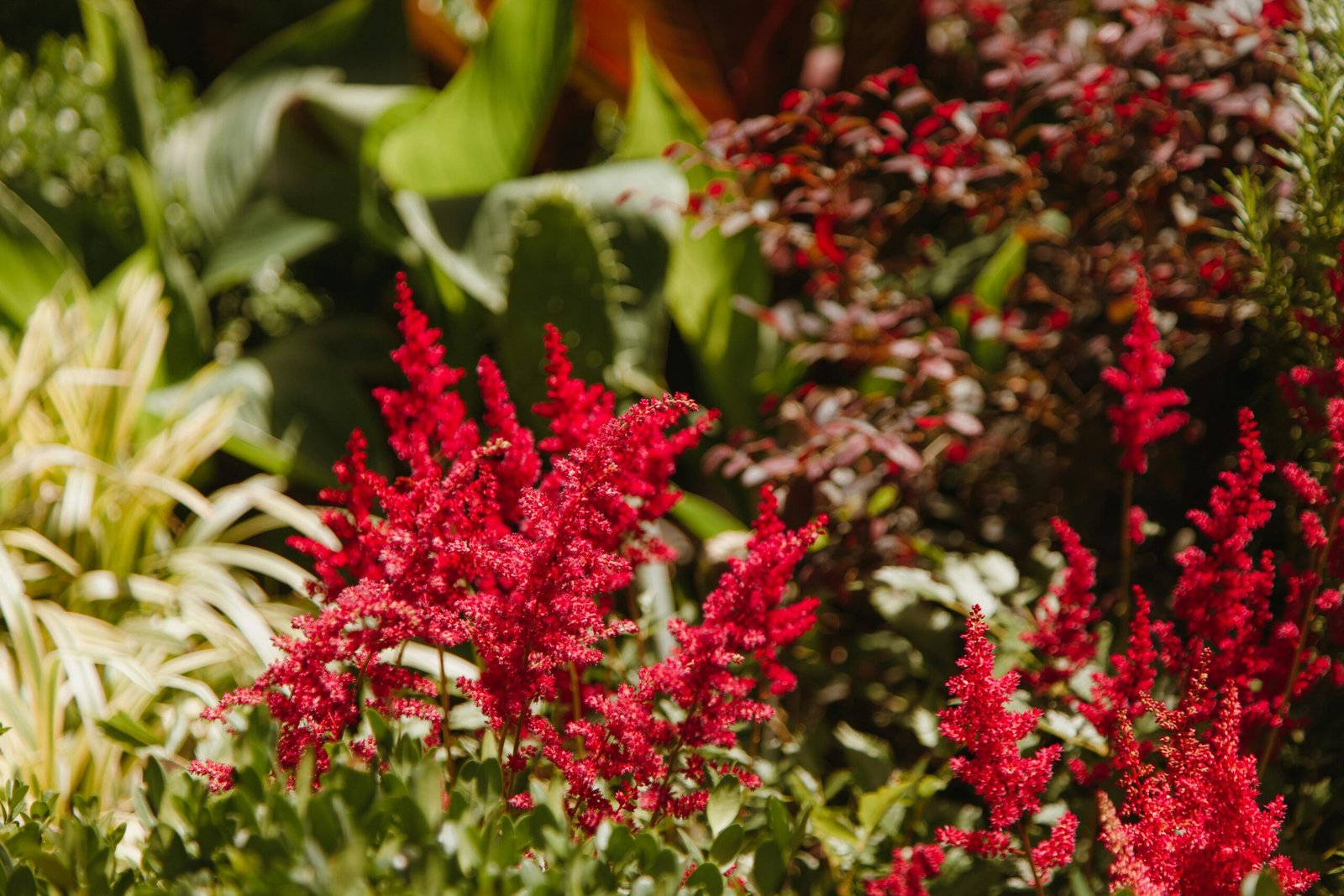
If you’ve ever walked through a shaded garden and noticed tall, feathery plumes of flowers dancing in the breeze, chances are you’ve already met the Astilbe, also known as Pluimspirea in Dutch.
This stunning perennial has long been a favorite among gardeners because of its elegant flowers, easy maintenance, and love for shade. While many plants struggle without sunlight, Astilbe seems to thrive there, adding life and color to darker corners of the garden.
I first planted Astilbe about ten years ago in a damp, shady spot behind my house that refused to grow anything else. To my surprise, it not only survived—it flourished. Its blooms were a rich pink, rising proudly above the ferns and hostas. Since then, I’ve planted it in almost every shaded spot I could find.
In this guide, we’ll explore everything you need to know about growing and caring for Astilbe—its varieties, ideal growing conditions, maintenance tips, and how to make it a highlight in your garden.
What Is Astilbe? – The Queen of Shade Gardens
Astilbe, or Pluimspirea, is a perennial flowering plant native to Asia and North America. It belongs to the Saxifragaceae family and is famous for its fluffy, plume-like flower clusters that bloom in shades of pink, red, purple, and white.
Its name, derived from the Greek words “a” (without) and “stilbe” (brightness), might sound ironic since the plant’s blooms are brilliantly colorful. But the name refers to the dull leaves of some species—though most modern hybrids have lush, glossy foliage that looks attractive even without flowers.
Astilbes typically bloom from late spring to mid-summer, depending on the variety and climate. Their tall flower spikes can reach anywhere from 30 cm to over 1 meter in height, making them an eye-catching addition to borders, woodland gardens, and shaded pathways.
The plant’s most attractive feature is its texture—the soft, feathery plumes seem to glow in low light, creating a magical, almost dreamlike garden atmosphere.
The Beauty and Benefits of Growing Astilbe
What makes Astilbe special isn’t just its appearance—it’s how adaptable and low-maintenance it is.
Many gardeners struggle with shaded areas that receive little sun and stay moist for most of the year. Few plants can handle such conditions gracefully. Astilbe is one of the exceptions. It actually prefers moist, well-drained soil and partial to full shade, though some varieties can tolerate morning sunlight.
Here are a few reasons gardeners love it:
-
Low maintenance: Once established, Astilbe requires very little care.
-
Long blooming: Flowers can last several weeks, especially if you remove faded plumes.
-
Wildlife friendly: Bees and butterflies are frequent visitors.
-
Deer resistant: Unlike many perennials, Astilbe is rarely damaged by deer or rabbits.
-
Great for borders: The height and texture make it perfect for layering with hostas or ferns.
Even in winter, when the flowers have faded, the seed heads remain decorative, providing structure and interest in frosty weather.
Ideal Growing Conditions for Astilbe
Astilbe may be easygoing, but giving it the right environment will ensure healthier plants and better blooms.
-
Light: Prefers partial to full shade. A bit of morning sun is fine, but harsh afternoon sunlight can scorch the leaves.
-
Soil: Rich, organic, and slightly acidic soil is best. Mix compost or well-rotted manure before planting.
-
Water: Astilbe thrives in consistently moist soil. It doesn’t like drying out, so regular watering is key—especially in summer.
-
Temperature: Hardy in zones 3–9, meaning it can handle cold winters and warm summers.
-
Mulching: Applying mulch helps retain moisture and keeps roots cool.
When planting near trees, make sure your Astilbe gets enough water, as tree roots can absorb much of the surrounding moisture.
How to Plant Astilbe Step-by-Step
Planting Astilbe is straightforward. Here’s a step-by-step approach I’ve used in my own garden:
-
Choose the location: Pick a shady spot with rich, moist soil.
-
Prepare the ground: Dig a hole about twice as wide as the root ball and just as deep.
-
Add organic matter: Mix compost or leaf mold into the soil to improve drainage and nutrients.
-
Plant: Place the Astilbe so the crown is just below soil level, then fill in and gently firm the soil around it.
-
Water thoroughly: Give it a deep soak right after planting.
-
Mulch: Apply a layer of mulch to retain moisture.
Astilbe can also be planted in containers, as long as they’re large enough and kept consistently moist.
Caring for Astilbe – Water, Soil, and Sunlight
Astilbe care is mostly about keeping the soil moist. The biggest mistake gardeners make is letting the plant dry out. If you notice drooping leaves or browning edges, it’s a sign the soil has become too dry.
During hot summers, water your Astilbe deeply two or three times a week. It’s better to water thoroughly and less often than to sprinkle a little each day.
You can feed Astilbe in early spring with a slow-release fertilizer or a layer of compost. Avoid high-nitrogen fertilizers—they can produce lots of leaves but fewer flowers.
Once the blooms fade, cut back the flower stalks to encourage fresh foliage. In autumn, you can leave the dried seed heads for winter interest, then trim them in early spring before new growth appears.
Astilbe Varieties You’ll Love
There are over 20 species and countless hybrids of Astilbe, each with unique colors, sizes, and bloom times. Here are some favorites:
-
Astilbe ‘Fanal’ – Deep red flowers, compact growth.
-
Astilbe ‘Bridal Veil’ – Elegant white plumes, perfect for shady borders.
-
Astilbe chinensis ‘Vision in Pink’ – Tolerates more sun than most varieties.
-
Astilbe arendsii ‘Rheinland’ – Soft pink blooms with lush green foliage.
-
Astilbe ‘Peach Blossom’ – Pale peach-pink flowers and bronze leaves.
Mixing different varieties can create a continuous display of color from late spring through midsummer.
Propagating and Dividing Astilbe
One of the easiest ways to expand your Astilbe collection is through division. Every 3–4 years, the clumps can become dense and crowded, reducing flower production.
Here’s how to divide them:
-
In early spring or autumn, dig up the entire plant.
-
Use a sharp spade or knife to split the root ball into smaller sections, each with at least one healthy shoot and root system.
-
Replant immediately, water well, and add mulch.
This not only rejuvenates the plant but also gives you more Astilbes to share or spread across your garden.
Common Problems and How to Fix Them
Astilbe is generally pest-free, but here are a few minor issues:
-
Leaf scorch: Caused by too much direct sunlight or dryness. Move to a shadier spot and water more regularly.
-
Powdery mildew: Appears in humid conditions. Improve air circulation and avoid overhead watering.
-
Poor flowering: Usually due to lack of nutrients or too much shade. Apply compost in spring.
In my garden, I’ve rarely seen serious problems with Astilbe. Once they settle in, they’re remarkably tough.
Companion Plants for Astilbe
Astilbe pairs beautifully with other shade-loving plants. My favorite combinations include:
-
Hostas – Their broad leaves contrast perfectly with Astilbe’s fine plumes.
-
Ferns – Create a lush, woodland feel.
-
Heuchera (Coral Bells) – Add colorful foliage all season long.
-
Japanese Forest Grass – Provides soft, golden contrast to pink or red Astilbe flowers.
These combinations not only look beautiful but also share similar soil and light needs.
Astilbe in Garden Design
Astilbe is incredibly versatile in landscape design. Use it to:
-
Brighten shady borders
-
Line garden paths
-
Create layered planting near ponds or streams
-
Add structure to woodland gardens
In my garden, I use Astilbe near a small water feature. The reflection of the blooms in the pond gives a calm, romantic feel. Even on cloudy days, it looks vibrant.
My Personal Experience Growing Astilbe
Astilbe was one of the first perennials I ever grew successfully. It taught me patience and observation. I learned to listen to the soil—to notice when it needed more moisture or mulch.
There’s something deeply satisfying about watching those feathery plumes rise each spring. They remind me that beauty can thrive in the shade, just like people who quietly flourish away from the spotlight.
Expert Tips for Beginners
-
Don’t let the soil dry out—Astilbe hates drought.
-
Plant in partial shade, not deep darkness.
-
Add compost yearly to maintain soil health.
-
Divide clumps every few years to keep plants vigorous.
-
Mix different varieties for a longer blooming season.
Once you start growing Astilbe, it’s hard to stop. They’re rewarding plants that bring texture and grace to any garden.
Conclusion – Why Every Garden Needs Astilbe
Astilbe is proof that not all beauty needs sunlight. This elegant perennial turns shady corners into enchanting, colorful spaces. Its soft plumes, rich foliage, and easy care make it a must-have for anyone who loves gardening.
Whether you’re a beginner or an experienced gardener, Astilbe will reward you with years of blooms and tranquility. It’s not just a plant—it’s a piece of living art that grows more graceful each season.
FAQs
Q1: Can Astilbe grow in full sun?
Only if the soil stays constantly moist. Otherwise, it prefers partial shade.
Q2: How often should I water Astilbe?
Keep the soil moist—water deeply two to three times a week in hot weather.
Q3: When should I divide my Astilbe?
Every 3–4 years, in early spring or fall.
Q4: What is the best fertilizer for Astilbe?
Use compost or a balanced, slow-release fertilizer in spring.
Q5: Does Astilbe attract bees or butterflies?
Yes, Astilbe blooms are very attractive to pollinators.


, the elegant perennial that thrives in shade. Discover planting tips, varieties,..)