

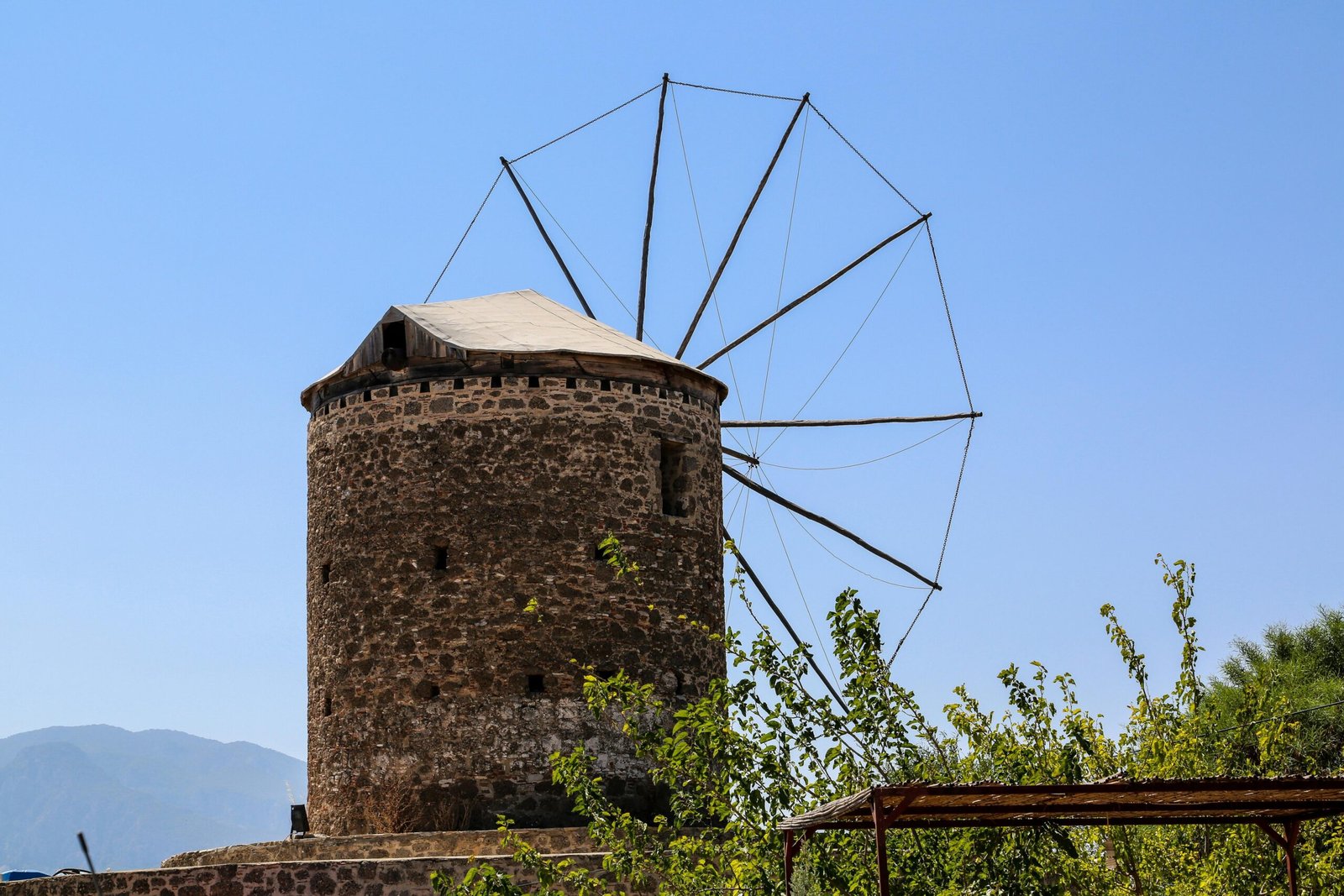
The name Flora Wind carries a certain poetry. “Flora” stands for plant life — the green world that gives us oxygen, color, and calm. “Wind,” on the other hand, represents invisible strength — a force of nature that drives weather, movement, and now, energy. Together, they form a phrase that beautifully connects nature and innovation.
When we talk about Flora Wind, we’re really talking about harmony. It’s a concept that reminds us that our future depends on balancing human progress with ecological respect. Whether we see it as a company in renewable energy or as a symbolic connection between plants and the wind, it’s a powerful reminder that sustainability begins with awareness.
I remember standing on a hillside in southern Germany one spring morning. The wind brushed across a field of yellow rapeseed flowers, creating a wave of motion that looked almost alive. That scene perfectly captured what Flora Wind means — energy flowing through nature in a way that’s gentle yet powerful.
2. Understanding Flora Wind
Flora Wind can be understood in two ways. First, it can refer to companies or projects focused on wind energy and environmental care. Second, it symbolizes the natural relationship between flora (plant life) and the forces of wind that shape ecosystems.
In modern energy discussions, Flora Wind often refers to organizations dedicated to creating clean, renewable power using wind while protecting biodiversity. This concept bridges two essential goals: using natural energy responsibly and preserving the environment from which that energy comes.
This combination of ecology and technology captures the essence of 21st-century sustainability — developing solutions that serve people without harming the planet.
3. Flora and Wind: A Natural Partnership
In nature, wind and plants share a relationship that’s millions of years old. Many plants rely on the wind to spread their seeds or carry pollen from one flower to another. Think about the dandelion — that simple childhood joy of blowing the seeds into the air. It’s a perfect example of wind helping life multiply and move.
Without wind, entire ecosystems would change. Trees might cluster too tightly, fields would lose diversity, and the balance of species would shift. The wind also shapes landscapes, redistributes moisture, and helps regulate temperature. In short, wind is a silent gardener of the natural world.
This same energy that helps plants thrive can also power our homes, vehicles, and industries — if we learn to capture it wisely.
4. Wind Energy and Sustainability
Wind energy is one of the cleanest sources of power we have. It doesn’t produce harmful gases, it doesn’t pollute water, and it doesn’t require burning finite resources like coal or oil.
When wind turns the blades of a turbine, that motion is transformed into electricity. It’s a simple yet elegant process. What makes it even more remarkable is that the energy source — the wind — is free, renewable, and available in every corner of the planet.
For decades, scientists and engineers have refined this technology to make it more efficient. Wind turbines today can generate electricity even at lower wind speeds. They’re quieter, more durable, and increasingly affordable.
But the story of wind energy isn’t just technical — it’s also human. Communities across Europe, Asia, and the Americas are learning to build local wind projects that provide jobs, energy independence, and cleaner air.
When I first visited a wind farm, I was struck not by the size of the turbines but by their stillness. They seemed to move slowly, yet you could sense their immense power. It felt like standing next to nature’s own heartbeat — steady, patient, and vital.
5. Flora Wind’s Role in Renewable Development
Flora Wind represents a growing class of initiatives dedicated to combining technology with ecological care. Whether it’s through responsible wind farms, environmental research, or sustainable design, projects under this name or spirit focus on harmony between progress and preservation.
Many modern wind developers now take great care to map flora and fauna before construction. They identify nesting sites, migration paths, and natural habitats, ensuring that wind turbines are placed where they cause minimal disruption.
This kind of approach is what gives renewable energy credibility — it’s not about simply producing power, but about producing it responsibly.
A Flora Wind project, in this sense, is not only about kilowatts and blades. It’s about respecting the environment while harnessing its gifts.
6. Technology Behind Wind Power
At its core, wind power is an elegant piece of physics. When the wind blows, it transfers kinetic energy to the blades of a turbine. Those blades spin a rotor connected to a generator, which converts motion into electricity.
Modern turbines can stand hundreds of meters tall, with blades the length of an airplane wing. They are designed to capture as much energy as possible from even gentle breezes.
Advancements in materials, like lightweight carbon composites, allow turbines to last longer and perform better. Smart sensors track wind direction, adjusting the angle of blades automatically for maximum efficiency.
What’s amazing is how this complex technology works in complete partnership with something as ancient and untamed as the wind. It’s a blend of science and simplicity — a perfect example of how modern engineering can work in harmony with natural forces.
7. Biodiversity and Wind Farms
One of the main discussions around wind power is its relationship with biodiversity. Critics often worry that wind farms might affect bird populations or natural habitats.
While these concerns are valid, most studies show that when planned carefully, wind energy can coexist with wildlife. Many companies now work with environmental experts to design turbine locations that avoid critical habitats. Some even replant native flora around wind farms to strengthen local ecosystems.
In many areas, wind farms have become biodiversity havens, as the land around them is often left undisturbed compared to agricultural or industrial zones.
This connection between flora and wind energy comes full circle — we use the wind for power, and in turn, we create environments where plant life can thrive.
8. Challenges and Solutions in Wind Energy
Like any industry, wind energy faces challenges. Some of the biggest include:
-
Visual impact: Turbines can change landscapes.
-
Noise concerns: Modern models are quieter, but perception matters.
-
Storage: The wind doesn’t always blow, so we need good battery systems.
-
Local opposition: Communities sometimes resist change.
These challenges are real, but they’re not insurmountable. Improved turbine design reduces both noise and visual footprint. Hybrid systems combining solar and wind create steady power flows. Most importantly, transparent dialogue with communities builds trust and shared purpose.
The key is balance — exactly what “Flora Wind” symbolizes.
9. Personal Reflections: Why Green Energy Matters
I grew up in a small town where wind was more than weather — it was a daily presence. It carried the scent of rain before a storm and cooled the fields in summer.
When I first learned that we could turn that same wind into electricity, it felt almost magical. But it’s not magic — it’s human ingenuity aligned with natural wisdom.
Choosing renewable energy isn’t just about technology; it’s about ethics. It’s about leaving a cleaner sky for our children and reducing the scars we’ve left on the planet. For me, Flora Wind represents that vision — where beauty and practicality meet.
10. The Future of Flora Wind and Green Energy
The future of Flora Wind looks bright. The world is shifting toward sustainability faster than ever. Countries are investing heavily in renewables, and public awareness is growing.
New innovations, such as offshore wind farms and floating turbines, are expanding possibilities. Digital monitoring and AI-driven forecasting make systems smarter and more reliable.
In the next decade, Flora Wind and similar initiatives could help reshape how we think about energy — not as a commodity, but as a living partnership between nature and technology.
11. Conclusion
Flora Wind reminds us that progress doesn’t have to come at nature’s expense. It’s a symbol of coexistence — between flora and wind, between people and planet, between innovation and respect.
When we talk about wind energy, we’re not just discussing machinery or economics. We’re talking about a future powered by care. Every gust that turns a turbine is a reminder that nature already gives us everything we need — we just have to learn to use it wisely.
12. FAQs
Q1: What does “Flora Wind” mean?
It combines “flora,” meaning plant life, and “wind,” representing natural air movement or renewable energy. Together, they symbolize harmony between nature and clean technology.
Q2: Is wind energy really sustainable?
Yes. Wind energy produces no emissions during operation and relies on an endless natural resource.
Q3: Can wind farms harm nature?
If built responsibly, wind farms can actually help preserve open spaces and even support local flora and fauna.
Q4: How do wind turbines create electricity?
The wind spins turbine blades, which rotate a generator to produce electricity.
Q5: Why is wind energy important for the future?
It reduces carbon emissions, creates local jobs, and moves us toward a cleaner, more balanced planet.


