

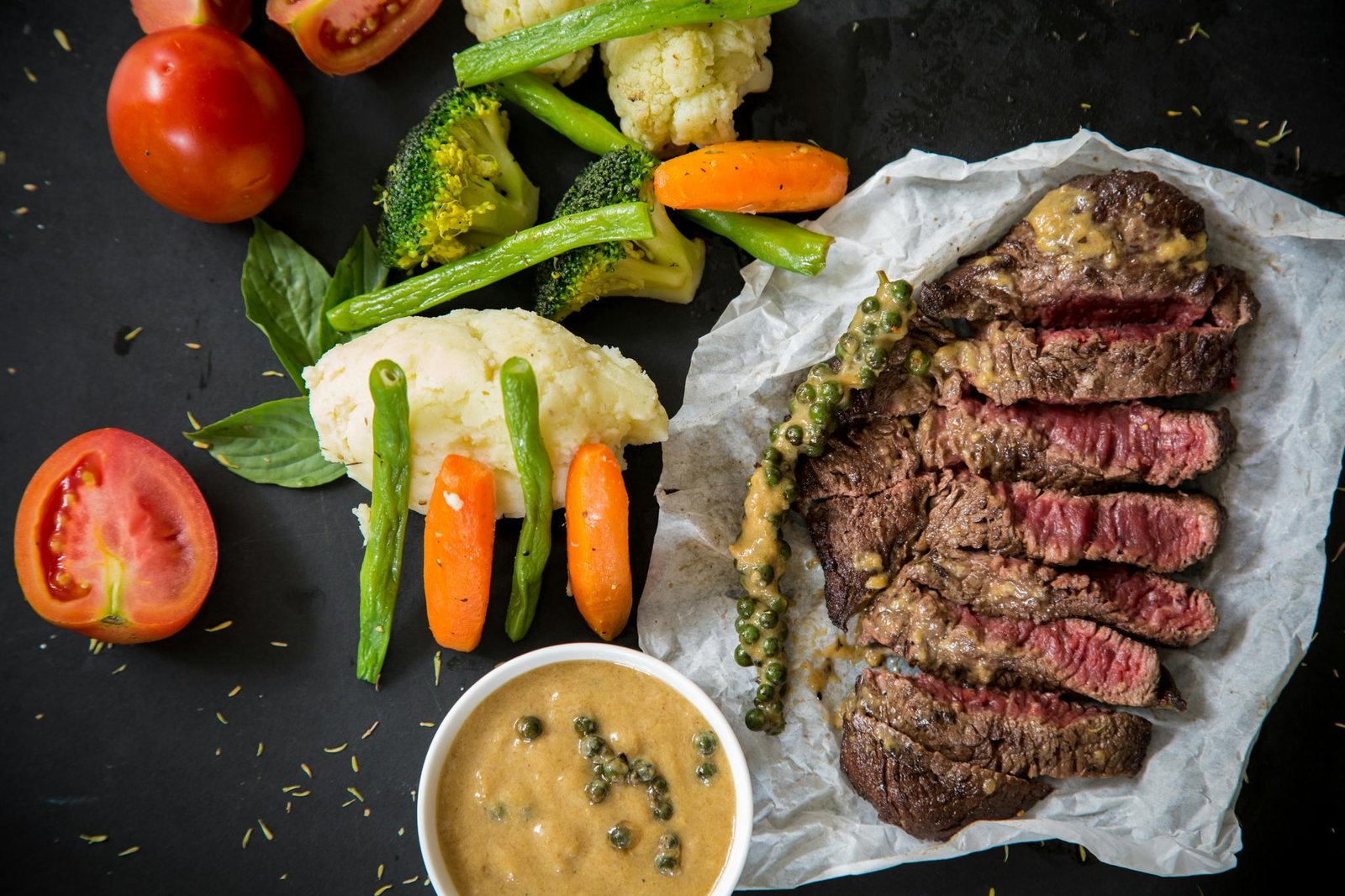
Beef is the meat that comes from cattle. It is rich in protein, iron, zinc, and essential vitamins, making it an excellent choice for maintaining energy, muscle strength, and overall health. The world consumes billions of pounds of beef each year, and its popularity continues to grow because of its flavor, versatility, and nutritional value.
But not all beef is the same. Differences in types, cuts, and preparation methods can drastically affect taste, texture, and health benefits. Additionally, ethical considerations and sustainability practices are becoming more important to consumers, influencing how beef is raised, processed, and sold.
2. Types of Beef
Understanding the types of beef is key to selecting the best meat for your meals. Here are the main categories:
2.1 Grass-Fed vs Grain-Fed Beef
Grass-Fed Beef:
Cattle are raised on natural pastures and primarily eat grass throughout their lives. Grass-fed beef tends to be leaner, lower in saturated fat, and richer in omega-3 fatty acids, which are beneficial for heart health. The flavor is more earthy and robust, making it perfect for slow-cooked dishes and gourmet recipes.
Grain-Fed Beef:
Cattle are fed a diet of grains, often including corn and soy. Grain-fed beef is generally more marbled, resulting in tender meat with a milder flavor. Many people prefer this type for grilling steaks due to its tenderness and juiciness.
Pro Tip: If you want healthier beef, choose grass-fed. For more flavor and tenderness in steaks, grain-fed is ideal.
2.2 Organic vs Conventional Beef
Organic beef is produced without synthetic hormones or antibiotics and is raised under more humane conditions. Conventional beef follows standard regulations but may involve chemical treatments during production.
Why choose organic beef?
-
Less exposure to chemicals
-
Often higher welfare standards for animals
-
Sometimes better flavor and nutrient content
Example: A grass-fed organic ribeye steak often has a richer flavor profile and better nutritional value than a standard grain-fed conventional ribeye.
2.3 Common Beef Cuts and Their Uses
Knowing your beef cuts can transform your cooking. Here’s a detailed guide:
-
Ribeye: Richly marbled, tender, ideal for grilling or pan-searing
-
Sirloin: Lean, flavorful, great for stir-frying or roasting
-
Tenderloin (Filet Mignon): Extremely tender, ideal for fine dining
-
Ground Beef: Versatile for burgers, meatballs, chili, and sauces
-
Brisket: Tough cut that becomes tender with slow cooking or smoking
-
Chuck: Perfect for stews, pot roasts, or braising
-
Flank: Lean cut, great for fajitas or marinated dishes
Cooking Tip: Choose your cut based on the recipe. Tender cuts like tenderloin are best for quick cooking, while tougher cuts like brisket need slow-cooking techniques.
3. Beef Nutrition and Health Benefits
Beef is often criticized for fat content, but when chosen and cooked wisely, it offers amazing health benefits.
3.1 Macronutrients in Beef
-
Protein: Essential for muscle growth, repair, and overall health. One 3-ounce serving contains about 22 grams of high-quality protein.
-
Fat: Beef contains saturated fat, but lean cuts are lower in fat while still providing energy and flavor.
-
Calories: Vary depending on the cut; lean beef is ideal for those monitoring calorie intake.
3.2 Vitamins and Minerals
-
Vitamin B12: Supports nerve health and red blood cell formation
-
Iron: Helps prevent anemia and boosts energy levels
-
Zinc: Essential for immunity and metabolism
-
Phosphorus: Supports healthy bones and teeth
3.3 Health Benefits
-
Muscle Building: Protein-rich beef is excellent for fitness enthusiasts and athletes.
-
Energy Boost: Iron content improves oxygen transport in the body, increasing stamina.
-
Brain Health: Vitamins B12 and B6 contribute to cognitive function and mental clarity.
Moderation Tip: Enjoy beef in balanced portions to reap benefits without consuming excessive saturated fat.
4. Cooking Beef: Tips and Techniques
Cooking beef properly enhances flavor, tenderness, and safety. Here are techniques for different cuts:
4.1 Grilling
Perfect for steaks and burgers. Keep the grill medium-high, season the beef with salt and pepper, and avoid flipping too often. Rest meat after grilling to retain juices.
4.2 Pan-Searing
Ideal for thin cuts like flank or skirt steak. Heat a skillet until very hot, add a little oil, and sear each side for 2–4 minutes.
4.3 Slow Cooking
Best for tough cuts like brisket or chuck. Use a slow cooker or oven to braise meat in liquid for several hours. The result is tender, flavorful beef.
4.4 Roasting
Use for whole cuts like sirloin or rib roast. Preheat the oven, season the beef, and roast to desired doneness. Let it rest before slicing.
4.5 Beef Safety Tips
-
Cook ground beef to 160°F
-
Cook steaks and roasts to 145°F minimum
-
Store raw beef in the fridge and freeze for long-term storage
5. Sustainable and Ethical Beef Sourcing
Beef production can have environmental impacts, so choosing sustainably is important.
5.1 Environmental Considerations
-
Cattle farming contributes to greenhouse gas emissions
-
Overgrazing can damage ecosystems
-
Water and land use are significant
5.2 How to Choose Sustainable Beef
-
Support grass-fed, organic, and local farms
-
Look for certifications such as Certified Humane or Global Animal Partnership
-
Reduce beef consumption and combine with plant-based proteins
Example: Rotating beef meals with lentils or beans reduces environmental impact without sacrificing nutrition.
6. Popular Beef Recipes
Beef is incredibly versatile. Here are some favorites:
-
Classic Beef Stew: Tender beef, potatoes, carrots, and rich gravy
-
Grilled Ribeye Steak: Simple seasoning, bold flavor, perfect for dinner parties
-
Beef Tacos: Quick and customizable for family meals
-
Beef Stir-Fry: Healthy, colorful, packed with vegetables
-
Meatloaf: Comfort food that warms the soul
-
Brisket BBQ: Slow-cooked, smoky, and flavorful
-
Beef Bolognese: Rich Italian sauce perfect for pasta
Cooking Tip: Experiment with spices, marinades, and cooking techniques to bring out the best in each cut.
7. Beef for Different Diets
-
Muscle Building: Lean beef provides protein for muscle repair
-
Low-Carb Diets: Beef is naturally low in carbs, perfect for keto
-
Balanced Diets: Pair beef with vegetables, grains, and healthy fats for optimal nutrition
8. Common Myths About Beef
-
Beef is bad for heart health: Choosing lean cuts in moderation can support heart health.
-
All beef is high in cholesterol: Grass-fed beef has a healthier fat profile.
-
Beef is only for meat-lovers: Beef can be part of a balanced diet alongside plant foods.
Conclusion
Beef is more than just food—it’s a source of nutrition, culinary inspiration, and cultural significance. By understanding types, cuts, cooking methods, nutrition, and sustainable practices, you can enjoy beef responsibly and deliciously. From a quick weeknight stir-fry to a slow-cooked family feast, beef has something to offer everyone.
FAQs
1. What is the healthiest type of beef?
Grass-fed, lean cuts are generally healthiest due to lower fat and higher omega-3 content.
2. How should I store beef safely?
Refrigerate at 40°F or below. Freeze for long-term storage in airtight containers.
3. Can beef be part of a weight-loss diet?
Yes, lean beef provides protein and satiety, supporting weight management.
4. How do I choose sustainable beef?
Look for grass-fed, organic, local, and certified humane options.
5. What’s the difference between grass-fed and grain-fed beef?
Grass-fed is leaner with more omega-3s; grain-fed is more marbled, tender, and flavorful.


