

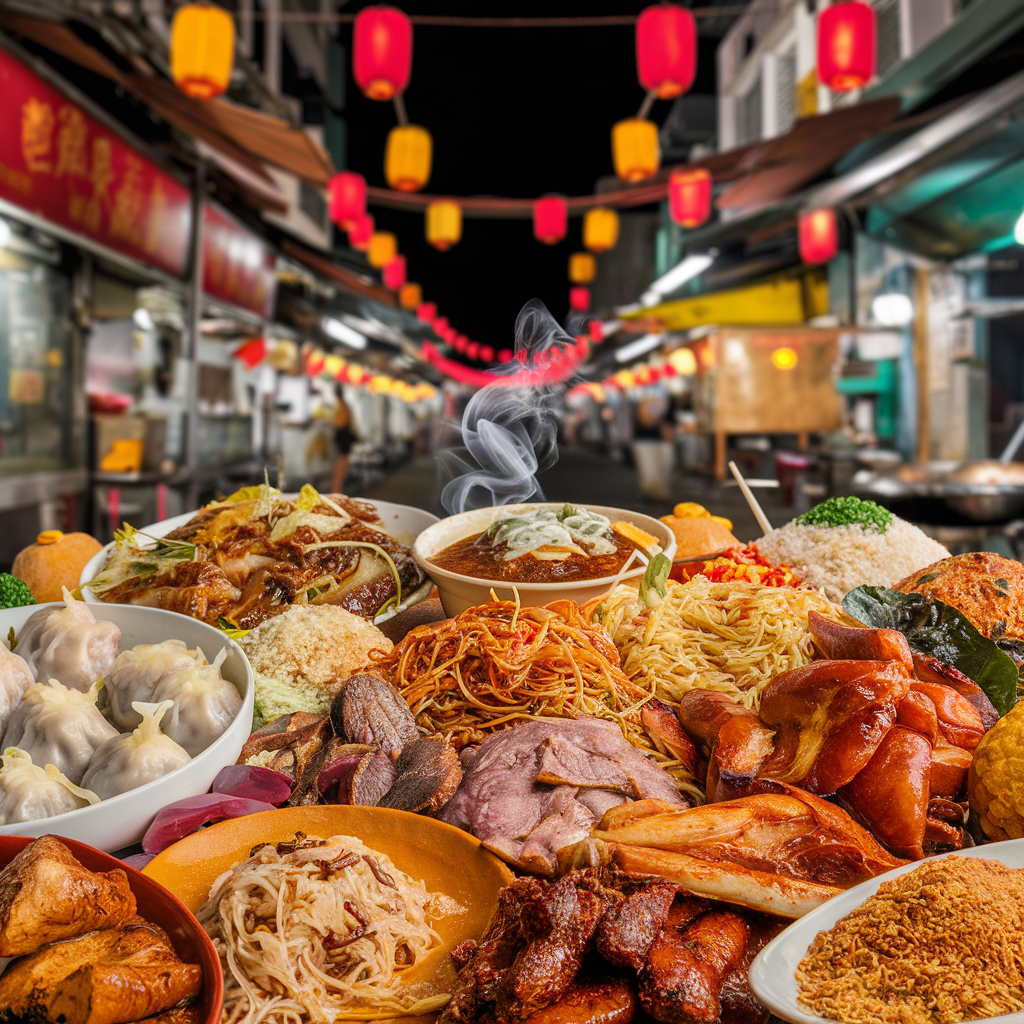
Hawker centers are one of the most iconic features of chinatown hawker leftovers consumption around the world, especially in places like Singapore, Kuala Lumpur, and Bangkok. These bustling food courts represent more than just cheap eats—they are living cultural landmarks where generations of families have enjoyed authentic street food.
But behind the charm of sizzling woks, steaming bowls, and fragrant spices lies a quieter problem: leftovers and food waste. Every day, hawkers prepare large amounts of food to meet unpredictable demand. By closing time, trays of uneaten dishes, half-filled pots, and customer leftovers often remain. The question of how these leftovers are consumed, redistributed, or discarded is becoming an increasingly important part of conversations about sustainability.
The Culture of Abundance and Leftovers
In hawker culture, abundance has always been part of the experience. Customers expect variety and generous portions, while hawkers feel pressure to cook enough so that no customer leaves empty-handed. However, this culture of abundance often leads to surplus food. While some customers take home unfinished meals, much of the food that is cooked but unsold becomes leftovers.
In traditional Chinatown communities, it was common for leftover food to be shared among hawker families, staff, or even neighbors. Food was seen as too precious to waste. But with modern hygiene regulations and health concerns, selling or sharing unsold food has become more restricted, leaving hawkers in a difficult position.
The Growing Problem of Food Waste
The scale of waste is significant. Studies in cities like Singapore have shown that hawker centers contribute heavily to the country’s overall food waste problem. Leftovers from customers—half-finished meals, unused garnishes, uneaten rice—are mixed with unsold cooked food at the stall level. Most of this waste ends up in bins, where it contributes to landfills and environmental stress.
This is not only an environmental issue but also an economic one. For hawkers, every plate of food wasted represents lost income. For society, it reflects a mismatch between food production and consumption at a time when food insecurity still affects vulnerable groups.
Community Solutions and Innovations
Thankfully, new ideas are emerging to tackle the challenge of Chinatown hawker leftovers. A few notable efforts include:
-
Food Redistribution Apps: In some cities, platforms connect hawkers with customers willing to buy leftover meals at discounted prices before closing time. This reduces waste while offering affordable food.
-
Charity Partnerships: Some hawker stalls collaborate with community groups to donate unsold food, though strict food safety laws often limit what can be given away.
-
Composting and Recycling: Leftovers that cannot be consumed are sometimes diverted into composting programs or used as animal feed, giving them a second life.
-
Smaller Portions & Customization: Some hawkers now offer smaller serving sizes or let customers customize portions, reducing uneaten food left behind.
These solutions are not perfect, but they show how tradition and modern innovation can come together to address food waste.
Cultural Perceptions of Leftover Consumption
The idea of consuming leftovers also raises cultural questions. In some communities, eating leftovers is practical and even celebrated as a sign of resourcefulness. In others, it carries a stigma of being “cheap” or “unhygienic.” In Chinatown hawker centers, attitudes vary. Elderly residents often see no problem in bringing home extra food, while younger generations may be more cautious about food safety.
Personally, I think the act of consuming leftovers—when done safely—reflects respect for both the cook and the food itself. Throwing away a plate of handmade dumplings or a bowl of freshly cooked noodles is not just wasteful; it erases the hard work of hawkers who spend long hours preparing meals.
Looking Forward: Sustainability in Hawker Culture
As Chinatown hawker centers evolve, balancing tradition with sustainability will be key. Governments, hawkers, and customers all have roles to play. Authorities can provide clearer guidelines on safe food redistribution, hawkers can adopt waste-reduction strategies, and customers can make conscious choices like ordering only what they can finish.
Hawker culture is too important to lose, and part of preserving it is ensuring that it remains sustainable. Leftover consumption—whether through redistribution, composting, or smarter dining habits—can help protect this cultural heritage while addressing the urgent problem of food waste.
Conclusion
Chinatown hawker centers remain cultural treasures, but the issue of leftovers and food waste is a challenge that cannot be ignored. While regulations, cultural attitudes, and practical barriers exist, creative solutions are emerging to make leftover consumption safer and more acceptable. If communities can find a balance between honoring tradition and embracing sustainability, Chinatown hawker culture will continue to thrive—not just as a place of good food, but also as a model of respect for resources and community values.


