

If you’ve ever dined at a high-end seafood restaurant, you might have seen “langoustine” on the menu — often described as a small lobster or a premium prawn. My first encounter with langoustine was in a cozy restaurant in Edinburgh, where the chef proudly presented it as the “caviar of the crustacean world.”
At first glance, it looked like a mini lobster, beautifully pink with delicate claws. But the moment I tasted it, I understood why food lovers around the world treasure this shellfish. Langoustine is tender, sweet, and melts in your mouth — a seafood delicacy that feels like pure luxury.
In this article, we’ll dive deep into what makes langoustine so special, how it’s cooked, where it comes from, and why it’s considered one of the ocean’s finest gifts.
What Is Langoustine?
Langoustine, scientifically known as Nephrops norvegicus, is a type of small lobster commonly found in the cold waters of the North Atlantic and North Sea. In different places, it’s known by various names — Norway lobster, Dublin Bay prawn, or scampi.
Though they look like lobsters, langoustines are smaller, usually around 8 to 10 inches long. They live in burrows on the seabed and are usually caught at night when they come out to hunt for food like worms and small fish.
Langoustine has become a symbol of fine European cuisine, especially in Scotland, France, Italy, and Spain. In fact, the Scottish langoustine is among the most exported seafood in Europe.
Appearance and Origin
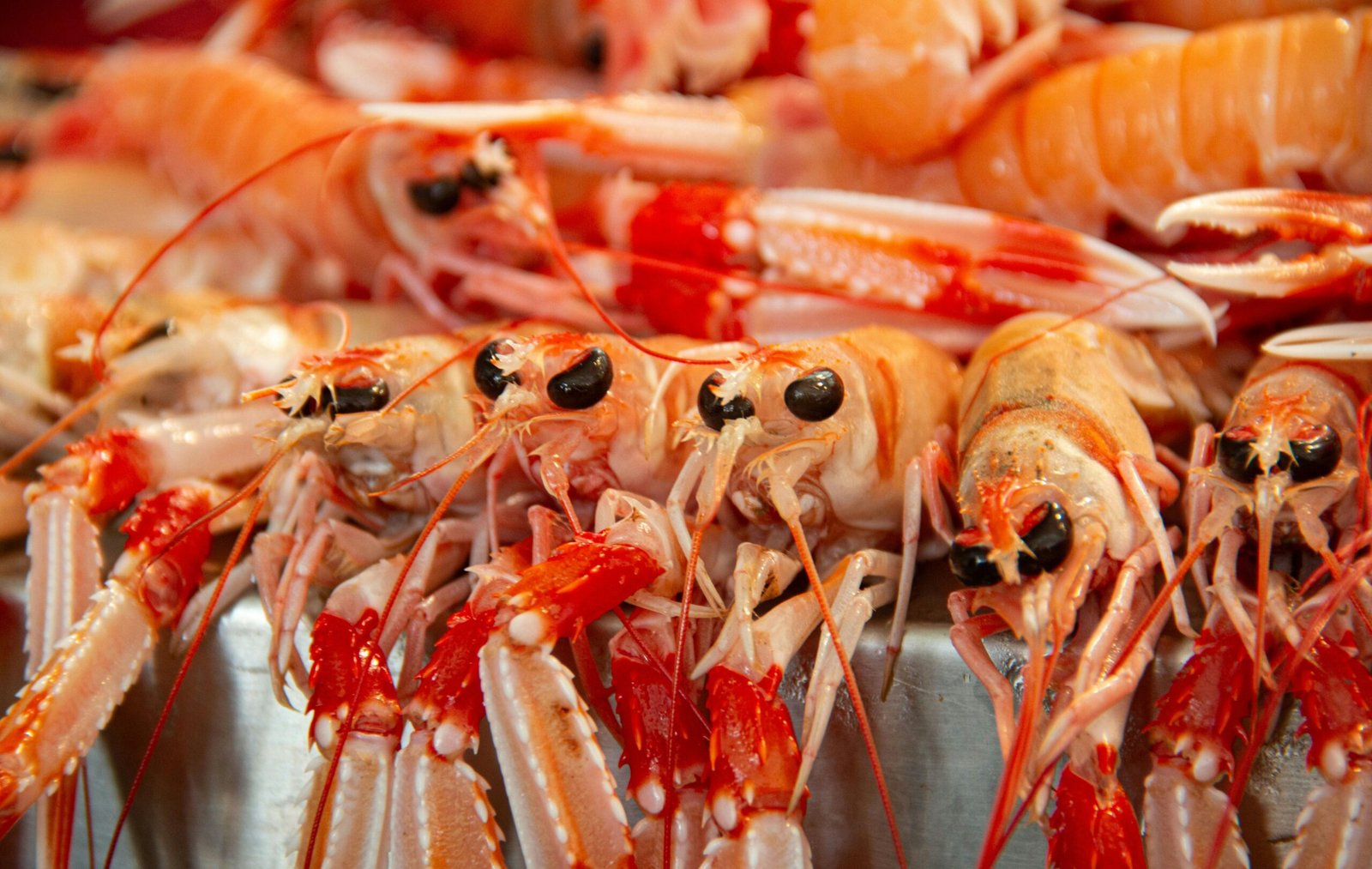
At first sight, langoustine looks like a cross between a shrimp and a lobster. It has slender claws, a long body, and a pale pink-orange shell that turns deeper when cooked.
Langoustine thrives in the chilly waters of the North Atlantic Ocean, around the coasts of Scotland, Norway, and Ireland. Fishermen often catch them using creels or trawlers, and because of their delicate shells, they must be handled with care.
Unlike large lobsters that are often eaten for their claws and tails, langoustine offers most of its meat in the tail section. That’s where its signature sweet flavor hides — subtle, buttery, and slightly nutty.
Langoustine vs Lobster – The Big Difference
People often confuse langoustines with lobsters, but the two are quite different.
Lobsters are larger and have thicker shells, with more robust claws. Their meat is denser and sometimes slightly chewy. Langoustine, on the other hand, is smaller and much more tender.
Flavor-wise, lobsters taste richer and saltier, while langoustine has a delicate sweetness that chefs adore. You could think of lobster as a hearty main course, and langoustine as an elegant, refined version meant for fine dining.
Langoustine Taste and Texture
Describing the taste of langoustine is like trying to explain the flavor of the ocean at its best. The meat is incredibly soft, almost buttery, with a sweetness that reminds you of crab or scallops but even more delicate.
When freshly cooked, it has a clean, oceanic aroma — not fishy, just pleasantly briny. I remember tasting grilled langoustine for the first time, and I was amazed by how it balanced simplicity with luxury. The flavor doesn’t need too many spices; a touch of lemon and butter is enough to let it shine.
How to Cook Langoustine (Different Methods)
Langoustine can be prepared in many ways depending on your taste and confidence in the kitchen. The key is to keep it simple — let the natural flavor stand out.
1. Boiled Langoustine:
This is the easiest and most traditional way. Boil them in salted water for 3–4 minutes until the shells turn orange. Serve with melted butter or garlic sauce.
2. Grilled Langoustine:
Split the langoustine in half, brush it with butter, garlic, and herbs, then grill for a few minutes. This method enhances the smoky flavor.
3. Pan-Seared:
Cooking langoustine tails in olive oil and garlic gives a quick, flavorful dish perfect for pasta or risotto.
4. Baked Langoustine:
For a restaurant-style experience, bake them with breadcrumbs, herbs, and butter. The result is golden, crispy, and full of flavor.
5. In Soups or Stews:
Langoustine shells make excellent stock. Their natural sweetness adds depth to seafood soups and bisques.
Famous Langoustine Recipes
Some popular dishes include:
-
Langoustine Bisque: A creamy, rich soup made using the shells and meat.
-
Grilled Langoustine with Lemon Butter: A Mediterranean favorite.
-
Langoustine Pasta: Tossed with garlic, olive oil, and white wine sauce.
-
Langoustine Thermidor: Inspired by lobster thermidor, baked with cheese and cream.
Every region has its own twist, but all recipes share one rule — keep it fresh and simple.
Langoustine in Fine Dining
Langoustine has earned a reputation as one of the world’s most luxurious seafoods. Michelin-starred chefs like Gordon Ramsay and Alain Ducasse often feature it on their menus.
Its sweet, refined flavor pairs beautifully with ingredients like truffle, saffron, and citrus. In France, you’ll find it served as “langoustine à la nage” — gently poached in aromatic broth. In Japan, langoustine sushi is considered a delicacy.
What makes it so sought after is its rarity and short shelf life. Fresh langoustine must be eaten within hours of being caught, which adds to its exclusivity.
Langoustine Fishing and Sustainability
Langoustine fishing has long been part of the coastal heritage in countries like Scotland and Norway. However, sustainability has become a growing concern.
Trawling can disturb seabeds and capture unwanted species. Fortunately, many fisheries now use creels (small cages) that allow selective and eco-friendly harvesting.
Organizations like the Marine Stewardship Council (MSC) encourage sustainable practices, ensuring that langoustine stocks remain healthy for future generations. As consumers, choosing certified sustainable seafood helps protect marine ecosystems.
Nutritional Benefits of Langoustine
Beyond taste, langoustine is also a healthy food choice. It’s high in protein and low in fat, making it ideal for those who want a lean source of seafood.
A 100g serving typically provides:
-
Calories: ~90
-
Protein: 18g
-
Fat: 1g
-
Omega-3 fatty acids: good levels for heart health
It’s rich in minerals like zinc, magnesium, and phosphorus, and provides vitamin B12 — essential for nerve and brain function.
Eating langoustine once in a while is both a treat and a smart choice for a balanced diet.
Langoustine Price and Availability
Langoustine is not cheap. Because it’s delicate and must be shipped fresh or frozen quickly, the price is usually higher than shrimp or lobster.
In Europe, fresh langoustine can range from £20 to £40 per kilogram, depending on size and quality. Frozen tails are more affordable and easier to find in stores.
If you’re buying fresh langoustine, look for ones with bright eyes, firm shells, and a clean sea smell — that’s a sign of freshness.
How to Store and Prepare Langoustine at Home
If you’re lucky enough to buy fresh langoustine, keep them refrigerated and cook them within 24 hours. They should never be kept at room temperature.
To prepare, twist off the head and peel the shell from the tail. You can also use the heads and shells to make a flavorful stock — nothing goes to waste.
Cooking them gently ensures they stay tender. Overcooked langoustine becomes rubbery, so timing is key.
My Personal Experience Tasting Langoustine for the First Time
When I first tasted langoustine during a trip to Scotland, I wasn’t expecting much. I thought it would taste like shrimp. But the first bite changed everything. It was soft, buttery, and slightly sweet — like a mix between lobster and crab but more refined.
The chef served it grilled with a lemon-butter sauce, and the simplicity made it unforgettable. Since then, I’ve tried to recreate that experience at home — though I’ll admit, nothing beats fresh langoustine straight from the sea.
Pairing Langoustine with Sauces and Side Dishes
Langoustine pairs beautifully with:
-
Garlic butter sauce
-
Lemon and dill dressing
-
Creamy saffron sauce
-
Chili and lime glaze
For sides, think light and elegant — roasted vegetables, buttered pasta, or a crisp salad. The goal is to enhance the sweetness, not overpower it.
Why Chefs Around the World Love Langoustine
Chefs adore langoustine because it offers everything — texture, flavor, and versatility. It’s elegant enough for fine dining yet simple enough for a rustic seaside meal.
It can be grilled, steamed, poached, or baked, and it never fails to impress. For many culinary experts, langoustine is the perfect example of how minimalism in cooking can lead to maximum flavor.
Conclusion
Langoustine is a treasure from the sea — delicate, flavorful, and versatile. Whether you enjoy it grilled on the beach or plated in a Michelin-starred restaurant, its charm lies in its simplicity.
It reminds us that true luxury isn’t about complexity or price; it’s about purity of flavor and respect for nature’s gifts. Once you taste langoustine, you’ll understand why it’s called the “jewel of the ocean.”
FAQs
Q1. What is langoustine?
Langoustine is a small lobster-like crustacean found in cold North Atlantic waters, known for its sweet and delicate meat.
Q2. How is langoustine different from lobster?
Langoustines are smaller, with softer shells and sweeter, more tender meat than lobsters.
Q3. How do you cook langoustine?
You can boil, grill, pan-sear, or bake them. Simplicity works best — butter, garlic, and lemon bring out their flavor.
Q4. Is langoustine healthy?
Yes, it’s high in protein, low in fat, and packed with vitamins and minerals.
Q5. Why is langoustine so expensive?
Because it’s delicate, difficult to transport, and has a short shelf life, making it a premium seafood product.


