

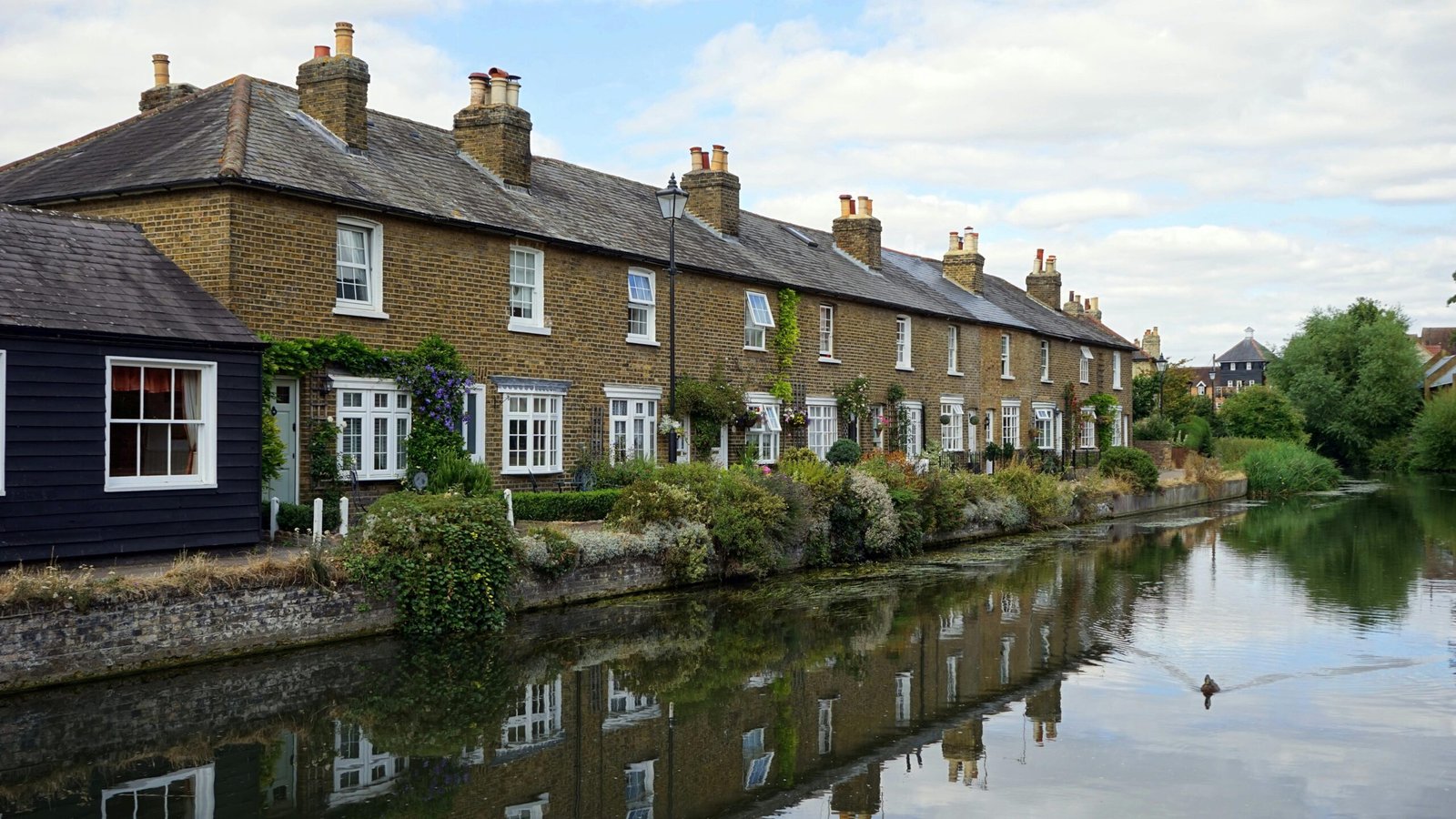
There are certain places in England that hold a timeless charm — villages that seem untouched by the rush of modern life. Linton, a picturesque village in Cambridgeshire, is one of them. Surrounded by gentle hills, historic houses, and the calm flow of the River Granta, Linton captures everything people imagine when they think of traditional English countryside life.
I first visited Linton on a summer afternoon. The air was warm, the streets were quiet except for the sound of birds, and the smell of freshly baked bread came from a local café. I remember thinking that if peace had a location, it might be this village. Linton is not only beautiful — it is a place with deep roots, a strong community, and a lifestyle that blends the old with the new.
The Origins and History of Linton
Linton’s history stretches back many centuries. The area shows traces of ancient settlements, with evidence of early human activity dating back to the Neolithic era. Later, the Romans and Saxons left their marks through trade routes, field systems, and artifacts found nearby.
By the time of the Domesday Book in 1086, Linton was already a recognized settlement known as “Lintone.” It had a mill, farmland, and a small but stable population. During the medieval period, the village grew thanks to agriculture and trade. It received a market charter in the 13th century, allowing it to hold local markets that connected farmers, traders, and craftsmen.
As centuries passed, Linton developed slowly but steadily. Its location near Cambridge made it part of a prosperous region. Many of the old buildings from that era still stand today, especially around the High Street, where flint walls and timbered houses remind visitors of the village’s long history.
Walking through Linton today feels like stepping back in time. The streets are lined with cottages and historic buildings, yet the village remains very much alive — a blend of past and present that few places manage so gracefully.
Geography and Location
Linton sits about eight miles southeast of Cambridge, in the Granta Valley. The village is surrounded by rolling countryside and gentle hills. The River Granta flows nearby, adding both beauty and natural charm.
The geography gives Linton a quiet and sheltered feel. The surrounding fields, hedgerows, and woodlands create an ideal setting for long walks or peaceful reflection. The air feels cleaner, the nights are darker, and the stars are brighter than in nearby cities.
Despite its rural character, Linton is well connected. The A1307 runs close to the village, offering a direct route to Cambridge and Haverhill. Major roads like the M11, A11, and A14 are also within easy reach, making commuting or travel convenient.
Public transport is available in the form of local buses, and many residents commute to Cambridge for work or study. The balance between accessibility and serenity is part of what makes Linton so attractive to both visitors and residents.
Heritage and Historic Character
Linton has a proud heritage and is designated as a conservation area, meaning its traditional buildings and village layout are carefully protected. More than a hundred listed buildings contribute to its historic atmosphere.
The High Street is particularly striking, featuring cottages built from flint and brick with traditional roofs and sash windows. Walking through it feels like reading the story of England — one house at a time.
One of the village’s most notable historic buildings is the Guild House, dating back to the Elizabethan period. It served as a community center for tradesmen and local leaders. Nearby, you’ll find the Old Workhouse, reminders of the social structures of past centuries. The village water tower on Rivey Hill is another landmark, offering panoramic views over the countryside.
Linton also has charming smaller features — old fords, cobbled lanes, and classic stone walls that trace the outlines of ancient property lines. Every corner seems to tell a story, making it a wonderful place for history lovers and photographers alike.
Attractions in and Around Linton
For a relatively small village, Linton offers a surprising number of attractions and activities.
One of the most famous is Linton Zoo, which draws visitors from across the region. The zoo is home to a wide variety of animals, from lemurs and lions to exotic birds and reptiles. It’s especially popular with families and school trips.
Nearby, Chilford Hall Vineyard adds another dimension to local tourism. This working vineyard produces English wines and hosts tasting events, art exhibitions, and weddings. The sight of green vines stretching across the fields is something you don’t easily forget.
For those who love the outdoors, the Rivey Hill Walk offers an excellent route with stunning views of the Cambridgeshire landscape. The climb to the water tower is rewarded with wide, open views of rolling fields and distant villages.
Linton’s Heritage Trail is another gem — a walking route that connects historic sites, old buildings, and local landmarks. Exploring it is one of the best ways to understand how Linton has evolved over the centuries.
Everyday Life and Village Amenities
Living in Linton means enjoying the best of both worlds — the tranquility of rural life with the convenience of modern amenities.
The village has a good range of shops and services, including a supermarket, bakery, pharmacy, and several independent businesses. There are cozy pubs where locals meet for drinks and conversation, and cafés where you can relax with a cup of tea and watch village life pass by.
Linton also has a village hall, sports facilities, and community spaces that host clubs and activities throughout the year. From gardening societies to art groups, there’s always something happening. The atmosphere is warm and welcoming — it’s the kind of place where people know their neighbors and stop to chat in the street.
In many ways, life here reflects traditional English values: community, cooperation, and respect for nature.
Schools and Education
Education plays an important role in Linton’s identity. The village has respected schools that attract families from nearby areas. The primary school serves younger children, while older students attend Linton Village College, known for its quality teaching and strong community involvement.
Because Cambridge is so close, residents also have access to one of the best education hubs in the country. Many students travel into the city for college or university, then return home in the evenings to the calm of village life.
Education in Linton is more than just academic — it’s part of a nurturing environment where children grow up surrounded by history, nature, and supportive neighbors.
Housing and Property in Linton
Housing in Linton reflects its layered history. You’ll find everything from medieval cottages and Georgian homes to newer family houses built with local materials. Many properties retain traditional features such as exposed beams, fireplaces, and garden courtyards.
Because of its desirable location and peaceful lifestyle, property in Linton tends to be in high demand. Prices are generally higher than average for rural Cambridgeshire, but residents feel the quality of life is worth it.
There’s also a healthy mix of older homes and modern developments, offering options for both families and retirees. As with many English villages, the challenge lies in maintaining the balance between growth and heritage.
Countryside, Walks, and Outdoor Life
One of the greatest joys of Linton is the surrounding countryside. The village is set in some of Cambridgeshire’s most beautiful scenery, and there are numerous walking paths and cycling routes that start right from the village center.
The Rivey Hill Walk is a favorite among locals, offering sweeping views across the valley. On clear days, you can see for miles — across fields, hedgerows, and woodlands. The riverbanks of the Granta are perfect for gentle strolls, birdwatching, or picnicking with friends.
If you love nature, Linton gives you plenty to enjoy. There’s an abundance of wildlife, from rabbits and hedgehogs to songbirds and butterflies. The changing seasons transform the landscape — from lush green in summer to golden tones in autumn.
For those who prefer a bit more activity, the village also offers sports clubs, a recreation ground, and open spaces for football, cricket, and running.
Culture, Events, and Community Spirit
Linton’s community spirit is one of its most endearing qualities. The village calendar is filled with events that bring people together — fairs, markets, music performances, and charity fundraisers.
Annual celebrations, like the Linton Village Fair, showcase local crafts, produce, and entertainment. Seasonal festivals in the village hall include everything from Christmas markets to summer fêtes.
There are also clubs and societies for almost every interest — gardening, history, art, and sports. These groups not only enrich local culture but also help newcomers feel part of the community quickly.
The people of Linton are known for their friendliness and sense of pride in their village. Whether you’re a long-term resident or just visiting, it’s easy to feel welcome.
Challenges and the Future of Linton
Like all growing communities, Linton faces challenges. One concern is maintaining the village’s character amid new housing developments. With demand for homes increasing, there is constant pressure to build — but locals are determined to protect the conservation area and rural surroundings.
Traffic is another issue. The A1307 can get busy, especially during rush hours, as more people commute to Cambridge. Improving transport links while keeping the village peaceful is an ongoing discussion among residents and planners.
Environmental sustainability is also a key topic. Many villagers are passionate about recycling, renewable energy, and maintaining green spaces. The sense of stewardship — caring for what they have — is strong.
Despite these challenges, Linton’s future looks positive. With careful planning, it can continue to grow while preserving what makes it special. The balance between progress and preservation is delicate, but Linton’s community has shown it’s up to the task.
Personal Reflections
Every time I visit Linton, I’m reminded of what makes English village life so unique. It’s not just the beauty of the buildings or the landscape — it’s the people and the pace of life.
One morning, I sat outside a café watching the village wake up. Children walked to school in groups, greeting the shopkeepers by name. An elderly couple tended their garden, chatting with a passerby. The church bells chimed softly in the background. It felt like a painting brought to life.
There’s a sense of calm and continuity here — a feeling that life in Linton flows at its own rhythm, grounded in respect for nature and tradition. For anyone tired of fast-paced city life, this village offers a refreshing contrast.
Conclusion
Linton is more than just a village — it’s a living piece of English history, a place where heritage, nature, and community exist in harmony. Its historic buildings, friendly people, and scenic landscapes make it one of Cambridgeshire’s most charming spots.
Whether you’re exploring for a day, moving to the area, or simply curious about traditional English life, Linton leaves a lasting impression. It proves that small places can hold great stories and that sometimes, peace and beauty are found in the simplest corners of the countryside.
Frequently Asked Questions
1. Where is Linton located?
Linton is a village in Cambridgeshire, about eight miles southeast of the city of Cambridge.
2. What is Linton known for?
Linton is famous for its heritage, conservation area, and attractions like Linton Zoo and Chilford Hall Vineyard.
3. Is Linton a good place to live?
Yes. Residents describe it as peaceful, safe, and community-oriented, with good schools and beautiful countryside.
4. What can visitors do in Linton?
Visitors can explore walking trails, visit the zoo, enjoy local pubs and cafés, or take part in community events.
5. How is transport in Linton?
The village is well connected by road, with easy access to Cambridge and other nearby towns via the A1307.


